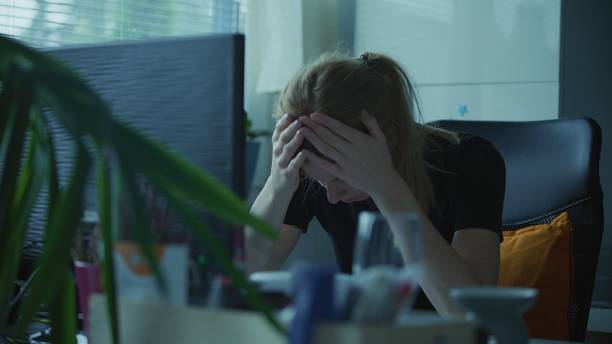
Oversharing your thoughts, emotions, stories, advice, and secrets with your own partner? Sounds weird, right? You may be wondering why we can’t share everything with our partner when they are the only people who live with us 24/7, every day? Many people think a partner is the one with whom we can share everything, as they will be with us for life, and we feel more connected to them than to other people in the world. More than parents, too. We are more physically and emotionally attached to them once married or after a few years of a sincere relationship. Since our childhood, we have been taught the same by our elders. We never shared everything with our parents as we thought it might hurt them, or they might get angry with us, or put their own point of view instead of supporting us. For a girl, her parents and relatives tell her to do everything that she likes only after marriage, along with her husband, from going out anywhere to enjoying the smallest moments of her life. So she waits for all those years to find a good partner with whom she can feel free, transparent, strong, and emotional at the same time. And for a boy, he is told not to cry, not to express emotions, or not to feel sad, and always be strong and independent. Thatswhy men don’t like to share any private things with their parents or relatives since childhood. He likes to share it with his best friends or his spouse. Some men like to share everything with their mothers, but there are still a few things they cannot share with them, either.
Thatswhy both boys and girls wait till they get married or find a life partner, with whom they can share everything and live life happily together as one unit and as one couple. Women start telling each and everthing with their husband right after marriage. They start telling about their family, friends, relatives, career, goals, emotional needs, physical needs, past relationships, etc. She sees him as a partner who understands her completely and will support her in every way possible. Whereas boys are a little different. They don’t like to show they’re innerself to the outside world, even to their own wife, as she also is a completely new person in his life if it was an arranged marriage. They start expressing themselves to their spouse only after a few years of marriage, when they feel connected or satisfied with their spouse. Or else, they will have a best friend with whom they share everything about their married life, emotional thoughts, family issues, and career. His best friend might know him well, but only his partner will know him completely, both from the inside and outside. His emotions, anger, anxiety, calmness, thoughts, health, needs, behaviour, planning, and many more. That’s why partners play a very important role in each other’s lives. They are your support system throughout life. Parents, children, family, friends, relatives, colleagues, and all other people leave you at some time or other. Only your spouse stays with you in every phase of your life; that’s why this relationship is very important for every human being. They both can grow together, and at the same time, knock each other down. Thatswhy its very important to keep a boundary for every relationship and support your partner or share with them only if it’s right or important. Though your partner knows you the best, they may still not know what you really are and what you think of yourself. Because we all have our own identity and value in our own eyes. We know more about ourselves than others.
We think partners are our emotional support system and a person who cares for us all the time. This is true to some extent. But not every spouse is the same. In a relationship, either the woman will be more caring, or the man will be more caring towards his wife. I have never seen both partners taking care of each other equally. One spouse will be more loving and caring than the other in every marriage or relationship. And when it comes to oversharing or unmet emotional needs, women are the ones who are in this most of the time. Because we were designed like this, it is not at all our fault. Women like to communicate more about their mental health, emotional needs, physical needs, and other topics. We love conversations and expect men, especially our partners, to understand us all the time. But men are not designed like this. According to them, they think all these emotional conversations are useless and a time-waster. They never see this as an important factor for the mental and emotional health of their partner. Thatswhy when you start these conversations, they either try to avoid it or finish it off in one sentence, telling you what your mistakes were in that particular situation, or what you may have done to avoid such situations. And when we women hear this from our own spouses, we get shattered and stop the conversation right there. Because we don’t like judgements, we only want support, especially from our spouse. In my 8 years of married life, I also learnt this over time. Oversharing with a spouse isn’t inherently bad—openness is healthy—but sharing everything without boundaries or timing can create unintended problems. That’s why it’s always better to avoid telling everything to your partner. Sometimes, you just need a best friend to share your problems or just a diary to write down how you feel. We have to stop asking for emotional validation from our partners because they cannot give it 100%. We have to find our own ways to stay emotionally healthy, as it is about our own health. Because your partner or other people will always try to find your mistake instead of calming you down or supporting you. I like to share my problems, thoughts, and plans with my God, who listens to me all the time. And I feel very satisfied after sharing my problems with him. In this article, I will tell you what happens when you share everything with your partner, how much to share, how much to avoid, and the alternatives to sharing your thoughts. Trust me, when you stop these conversations with your partner, they will start talking to you on their own and ask you about your feelings and feel guilty for not being with you when you needed emotional support from them.
Here are 15 common consequences your partner may experience when you overshare with them:-
1. Emotional Overload: If you bring every frustration, fear, or intrusive thought to your spouse the moment it happens, they may begin to feel constantly “on call” for emotional support, responsible for fixing your discomfort, drained or overwhelmed. This can shift the relationship into a caregiver–dependent dynamic rather than a partnership. And if this continues, your partner may start taking you and your words for granted. They may think you were always like this and will take you lightly. They may hear you for sometime but inside they may think you’re only talking nonsense and wasting his time.
2. Erosion of Attraction or Respect: Not because vulnerability is unattractive, but because dumping unfiltered thoughts (e.g., resentments, insecurities, criticism about them or others) can come off as impulsive or inconsiderate. Sharing every doubt, fear, or failure without self-reflection can make a spouse feel like they’re your only coping mechanism. Healthy relationships include vulnerability and self-regulation. They think that you are completely dependent on them, and it is easy to control you through emotions, as you are not strong enough to handle such issues.
3. Creating Unnecessary Conflict: Oversharing can include fleeting complaints, opinions said in the heat of the moment, details that are hurtful or unnecessary, and issues that weren’t fully thought through. Once shared, they can’t be “unheard” and can create disputes over problems you may not have actually wanted to act on. Your partner may be quiet at that time, but he will express it someday when he feels like sharing or pointing out your mistake.

4. Invading Other People’s Privacy: Telling your spouse every detail of your friends’ secrets, work issues, and family conflicts can put them in uncomfortable positions or make them feel burdened with information they didn’t ask for.
5. Blurring Personal Boundaries: Some things are part of your personal processing—your spouse doesn’t need to be involved in every inner monologue.
Without boundaries, a spouse can feel like they don’t get space, mystery, or autonomy in the relationship.
6. Dependency Instead of Partnership: If oversharing becomes constant, you might stop developing your own coping skills. Your spouse might feel pressure to be your therapist. The relationship can lose balance.
7. Loss of Emotional Safety for the Sharer: If your spouse reacts poorly or gets overwhelmed, you may feel misunderstood, regretful, embarrassed, and less safe sharing in the future. Paradoxically, oversharing can make healthy communication harder.
8. Emotional Fusion: When partners share everything, they can unintentionally merge identities. Signs include: you stop having independent thoughts or opinions; decisions are made as a unit, even when they shouldn’t be; you feel anxious when not immediately sharing a thought. This can reduce individuality and long-term attraction.
9. Reduced Sexual or Romantic Energy: Romantic relationships thrive on a bit of unpredictability, personal space, and selective vulnerability. When every detail—bodily, emotional, psychological—is shared without filter, partners can start feeling like siblings or roommates instead of lovers.
10. Spouse Becomes a Dumping Ground: If one partner unloads every fear, bodily symptom, intrusive thought, or complaint, the spouse may begin to dread conversations. They may shut down emotionally as a defense. Communication becomes centered around problems, not connection. This creates imbalance and resentment.
11. Loss of Respect Through Unprocessed Vulnerability: Vulnerability is healthy, but raw, unprocessed vulnerability can feel like instability. Examples: Constantly telling your spouse every insecurity, sharing impulsive thoughts you don’t actually believe, revealing every emotional spiral in real time. This can unintentionally communicate: “I can’t self-soothe or handle my inner world.” A caring spouse wants to help, but may worry about your resilience too.
12. Partner Feels Like They’re the Villain: Oversharing often includes “heat-of-the-moment” frustrations about the spouse themselves: “Sometimes I wonder if I should’ve married you.” “I found your coworker attractive today.” “I get annoyed by your voice sometimes.” These comments, even if fleeting, can create long-lasting wounds.
13. Increased Anxiety: Counterintuitively, oversharing can heighten anxiety because you start obsessing over your spouse’s reaction, you feel exposed or regretful later, and you internalize their overwhelm as your own failure. This creates a cycle of sharing → regret → shame → more sharing.
14. Breaking Trust Without Realizing It: If you overshare about private family conflicts, your friends’ issues, your past relationships in graphic detail, your spouse may begin doubting whether you’ll share their private matters with others too.
15. Undermining Your Own Appeal: Sharing everything—including intrusive thoughts, bodily details, or unfiltered chaos—can unintentionally reduce a sense of mystery, confidence, and competence. Not because you’re “too much,” but because timing and context matter in intimacy.
How to Stay Open Without Oversharing:-
- Pause before speaking. Try to understand in your mind if it is really necessary to share this thought, or if it’s just for time pass.
- Share when your partner is calm and happy, not at the peak of any emotion.
- Keep some internal processing for yourself or a journal.
- Before sharing your thoughts, ask your partner about their thoughts and then have a conversation.
- Use a therapist or friend for issues not appropriate for your spouse, like backbiting, family issues, and women’s things.
- Ask for permission before unloading, like: “Is now a good time to talk about something heavy?”

With whom to share?
Instead of oversharing with your spouse, try to share your problems with your god. Or just talk to yourself in front of a mirror, express your positive opinions online, write a journal, share with your best friend or sibling who doesn’t judge you, or write down your feelings on a piece of paper and throw it away after some time. Because if you keep the paper, someone may read it and understand what’s going on in your mind and heart. If you don’t want others to read your thoughts, then just throw the paper away, or if you want others to understand your pain, then just keep it for them to read. Sometimes, it’s better to write down your feelings to share with your partner instead of communicating directly, as you can tell them everything that you feel without pause or interruption. In my personal experience, in the initial years of my marriage, I used to share each and everything with my partner. From my smallest emotional needs to all the things that were going on around me. This caused many problems in the future. I became emotionally dependent on him. And when we both fought over some issues, I used to keep quiet at that time and send big text messages of my opinions and advice to my husband when he went to the office or when he was normal again at home, as I was not able to express myself through words when I was very emotional. This caused more arguments again and again. So, after a few years, I understood there is no point in keeping your word when no one is ready to hear it. Or no need for any unnecessary drama or emotional conflict that gives you nothing but stress and pain. So I stopped arguing and took everything lightly. Even today, I either try to avoid the conflict or just finish it off with a few words supporting everyone, including me. This made me a silent girl from the outside, but I am very open and communicative from the inside, as I talk to myself daily, write down my opinions and views in a diary or articles, and share everything with God by sitting in a silent room when everyone is asleep. This removes all the burden from my heart, and I feel very light and fresh again. Now, I only share what is appropriate for my spouse or any other family member in my family. All the other things, I keep to myself and find my own ways to express them.
Discover more from MomLoom
Subscribe to get the latest posts sent to your email.