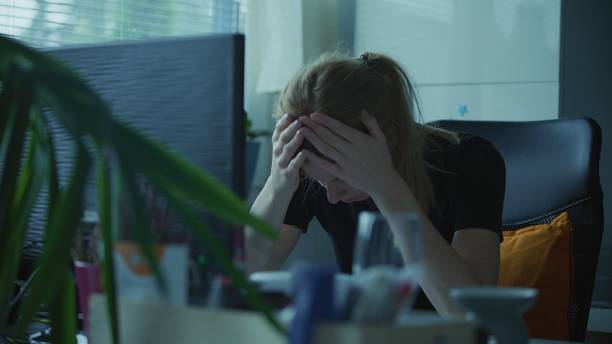
We’ve all encountered toxic people at some point in life. They might be coworkers who constantly criticize you at work, friends who drain your energy, family members who manipulate your emotions, your own spouse with whom you stay all day long, a few toxic kids around you, your own relatives who come to your home every day, toxic parents, or acquaintances who thrive on negativity. While you can’t always choose who you interact with, you can choose how you respond instead. Because no matter how much you try to avoid toxic people, you will come across them every day or at least once in a while. Wherever you go, they will always be there. It becomes tougher when these people are your close family members, including parents, kids, and partners. Because you cannot be away from them or abandon them. If you fight with them continuously, your image becomes bad in their mind, and they look at you as a very bad person. They don’t even smile at you when they see you or even say “Hi”. And it feels very awkward when these people meet at family gatherings, functions, and parties. We have to learn to handle them without straining ourselves in a very easy and calm way. Learning to handle toxic people isn’t about changing them—it’s about protecting your peace, setting healthy boundaries, and maintaining your emotional well-being. Because at last it is all about your mental and physical health. People come and go, and they don’t care much about your needs. So it is your responsibility to learn to handle such tough situations. In this article, I will tell you a few ways to handle such toxic people around you every day. You don’t need to put much effort into this; just change the way you think about them. This will make your brain and heart light and comfortable. Your body remains calm when you don’t stress yourself about the words, things, and behaviour of toxic people towards you. I have also been through this, and I have, and even now have, toxic people around me. But now I know how to handle them. What to ignore and what to take as important. It took me 28 years to fully understand people and life around us. I have been through so many situations and incidents that have made me like this. So now, I am here to help you too through my experiences so that you become strong emotionally and mentally.
Earn upto 6.4% on boat products
What Makes Someone Toxic?
Many people think toxic people are victims of depression, pain, and loss. Before they were good, and now they became bad due to certain reasons. This might be true to some extent because some situations and incidents cause trauma that can affect your behaviour and personality for some time, not lifelong. Because eventually, people move on some day or the other. Toxic people are born like that or are made by some situations at a very early age. And no one can change them very easily. A toxic person consistently creates stress, conflict, or emotional harm through their behavior even when everything is going right. They don’t like happiness and peace for long time. They want fights, arguments, and discussions in between to keep their brain functioning normally, or they get bored and irritated. Common traits include:
- Constant criticism or negativity even when you are correct.
- Manipulation and guilt-tripping.
- Lack of accountability.
- Controlling behavior.
- Excessive drama.
- Disrespect for personal boundaries.
- Jealousy or passive-aggressive communication.
It’s important to remember that everyone has bad days. We all behave a little differently when we are stressed and when something doesn’t happen the way we wanted. But toxicity is usually identified by repeated patterns of harmful behavior rather than isolated incidents.
Recognize the Signs Early:-
One of the biggest mistakes people make is ignoring early warning signs of toxic people around them. If you consistently leave conversations with other people feeling exhausted, anxious, guilty, meaningless, time-wasting, or emotionally drained, pay attention to those feelings. This usually happens when you are around toxic people. It’s not because of your weakness or your inability to talk or do something. Toxic people criticize you even when you do everything correctly. They constantly make you feel disrespected and useless. They question your dreams, make fun of your career, and make you feel guilty. They compare you with other people and never encourage your dreams or your career. Toxicity comes when there is no respect and love in the relationship. Your spouse might not respect you, your boss may not respect you, your friends, your relatives, and your own children show toxicity towards you when they don’t have any respect for you. Ask yourself: Do I feel respected around this person? Can I express my opinions without fear? Does this relationship feel balanced? Am I constantly walking on eggshells? etc. Honest answers can reveal whether the relationship is healthy or not. Even if it’s unhealthy, don’t cut off the relationship entirely. Instead, maintain a correct boundary with them. Meet them, talk to them, invite them, face them confidently, but a little less than before, as you know their behaviour now. Remember that these toxic people make you stronger emotionally. You will learn how to respect yourself, behave with people, how to talk, how much to share, whom to share with, whom to trust, how much to trust, etc. Your worth and value should not be decided by others. If your heart tells you you are doing right, then it’s right. If your heart tells you you’re doing something wrong, then you are definitely doing something wrong. And we need to understand that our brain and heart tell everything differently. The brain gives you practical and realistic solutions and decisions, while the heart tells you something completely different that doesn’t match reality.

Set Clear Boundaries:-
Boundaries are not walls—they’re guidelines for how you expect to be treated by others, no matter how big or small they are. This is a very good way to tell others how much you respect yourself so that they know how to treat you properly. Healthy boundaries might include:
- Saying no without feeling guilty.
- Limiting how much personal information you share with others.
- Choosing when and how often you communicate with others.
- Walking away from disrespectful conversations.
- Taking a stand for yourself when others become against you.
- When you’re not interested in long conversations, tell them you’re not in the mood to listen or understand right now.
- Your self-respect should be your priority. If someone tries to hurt that, you should not keep quiet.
Remember, people who benefit from your lack of boundaries may resist them the most. Don’t Take Everything Personally. Toxic behavior often reflects the other person’s unresolved issues rather than your worth. Sometimes, they don’t really mean what they are telling. They are just flushing out their anger or jealousy that they had in their heart for years. So, instead of absorbing hurtful comments from them, remind yourself: Their opinion does not define you, you don’t need everyone’s approval, and you are not responsible for managing someone else’s emotions. Creating emotional distance helps prevent unnecessary stress for yourself and other people around you.
Avoid Unnecessary Arguments:-
Many toxic individuals enjoy conflict because it gives them attention or control over the other person. Not every criticism deserves a response. Sometimes the most powerful reaction is to remain calm and refuse to engage. This makes them feel guilty, or they feel like losers. Unnecessary arguments don’t get to any solution or decision. They just make the conflict more serious and dangerous. You need to argue when it’s not your mistake, or someone is hurting your self-respect. Sometimes, when the other person is not ready to listen to anything that you say, it is best to walk out of that conversation for your own good. Because arguments make you stressed, your blood pressure rises, your body becomes heated, you lose your energy, and your brain produces more cortisol (stress hormone).
So, instead of arguing:
- Stay factual.
- Keep responses brief.
- Avoid emotional escalation.
- End conversations respectfully if they become unhealthy.
Protecting your peace is more valuable than winning an argument.

Build a Strong Support System:-
Healthy relationships act as emotional anchors. Spend time with people who: respect your boundaries, encourage your growth, celebrate your achievements, and listen without judgment. These can be your partners, friends, family members, relatives, or even your office colleagues. I know these types of people are very few around us, but you will find them someday with time and in some situations. And when you find them, don’t leave them. You will realize how peaceful your life becomes when they are around you. At this time, toxic people don’t matter to you at all. Positive relationships remind you what healthy communication looks like. Dealing with difficult people can be emotionally exhausting. Take time to recharge through activities that restore your energy, like exercise regularly, get enough sleep, Practice mindfulness or meditation, Journal your thoughts, pursue hobbies you enjoy, and spend time in nature. The stronger your emotional foundation, the less power toxic behavior has over you.
Know When to Walk Away:-
Not every relationship can or should be saved. If someone repeatedly disrespects your boundaries, manipulates you, or negatively impacts your mental health despite your efforts for years, it may be time to create distance no matter how close that relationship is for you. Walking away isn’t a sign of weakness—it’s a sign of self-respect. Sometimes the healthiest choice is choosing yourself. You cannot control another person’s attitude, behavior, or choices. You can control: your reactions, boundaries, mindset, time, energy, and the people you allow into your life. Direct your energy towards these areas instead of trying to change someone who isn’t willing to change. Because if you keep suffering for the sake of others and you have no one to help or support, you will harm yourself slowly. Your body becomes weak. You get diseases like thyroid, diabetes, hair fall due to stress, acne on skin due to stress hormones, high blood pressure, and many others. Your mental health will become weak. You start forgetting things, you lose focus, you will not be able to concentrate on things, you feel useless, you become underconfident, you easily get scared or nervous, and stop trusting people around you. All these symptoms don’t start early or cannot be noticed by many people. Your body starts showing all these symptoms after years of suffering or when your immunity becomes weak.
Final Thoughts:-
Toxic people may be a part of life, but they don’t have to control your happiness. By recognizing unhealthy behavior, setting firm boundaries, maintaining emotional balance, and prioritizing your well-being, you can navigate difficult relationships with confidence and resilience. Remember, protecting your peace isn’t selfish—it’s essential. The healthier your boundaries, the healthier your relationships become. Surround yourself with people who inspire growth, kindness, and mutual respect, and never underestimate the value of your own emotional well-being.
Discover more from MomLoom
Subscribe to get the latest posts sent to your email.