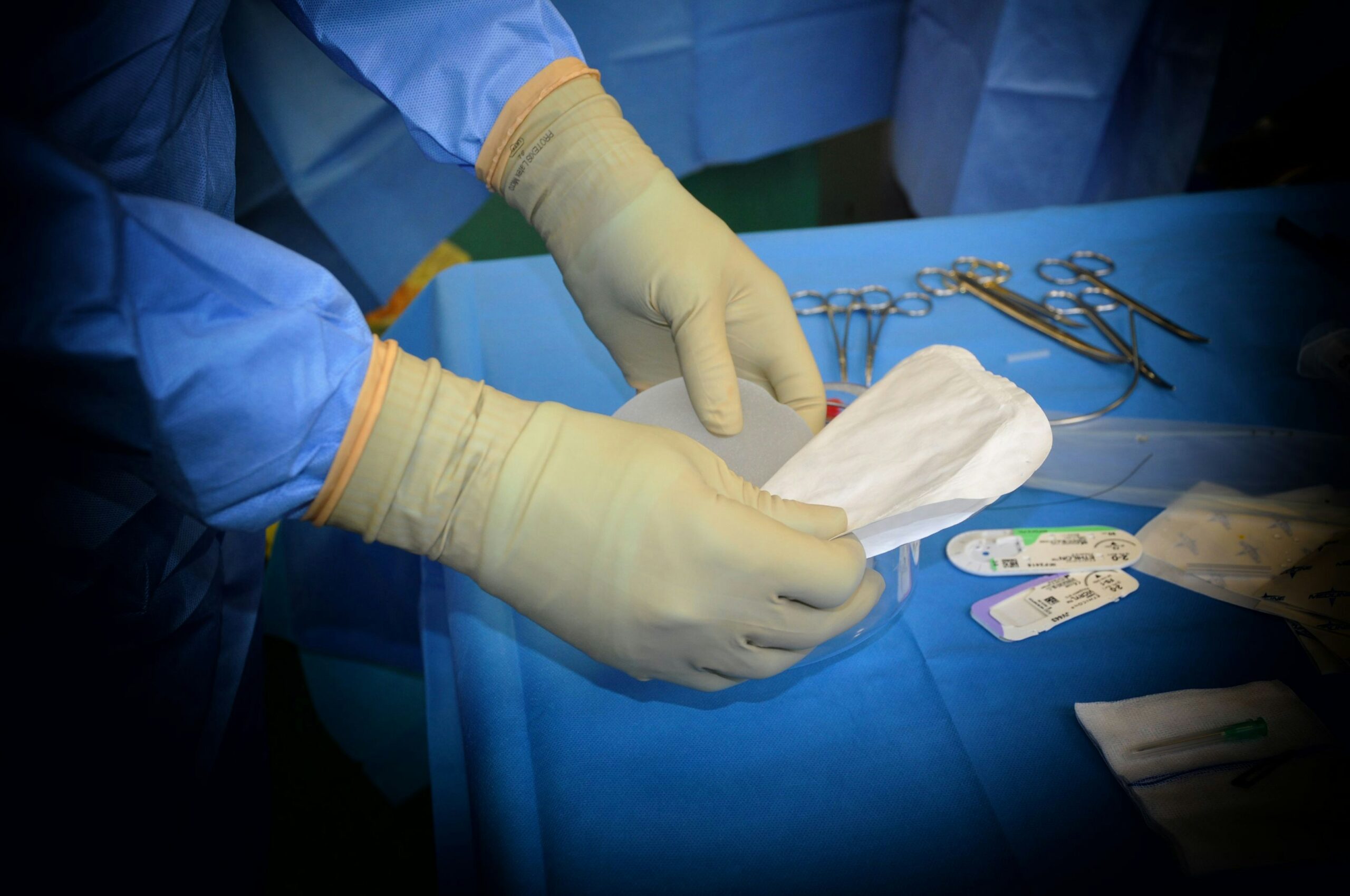
Circumcision is something every Muslim parent is concerned about when it comes to doing it for their sons, no matter the age or purpose of the procedure. Especially when the boys are very young. Many parents have doubts regarding this. Some are confused about what age circumcision is recommended and how to take care of their son after surgery. When I thought of circumcision for my son, I researched a lot online but didn’t find anything useful. No one explained their experience or how to take care of the kid. I had to ask many elders to gather as much information as I wanted. What I understood is that people don’t want to talk about circumcision openly. Some are shy, and some feel it’s bad to talk about it in public, as it is a private thing. However, there were some doctors who were putting up some content about circumcision online, explaining how they do it and what really happens in the circumcision procedure. But no one talked about the post-surgery care and the diet, especially for a little older kids. What problems will the patient face after surgery, and what things to avoid?
Still, I managed to have my 7-year-old son circumcised here in Abu Dhabi by a well-experienced doctor, and now it’s been 2 months since the surgery. He is completely healed and back to normal. So, I decided to write about my son’s experience so that other parents know about this big phase in their son’s life. You can be prepared and help your son pass this phase without any problems. Sometimes even adults who wish to change their religion to Islam or want to become a Muslim have to get circumcision done, as it is compulsory in Islam. For adults, this procedure is a little different, and they have to take more care after the surgery than kids. There are videos on YouTube about adult and Newborn circumcision. The doctors have also explained the post-surgery care and treatment for newborns and adults in their content. But when I decided to go for circumcision for my son, he was 7 years old. He was not a newborn or an adult. So I was confused a bit. As parents, we all want to make informed decisions about our children’s health. We want to make sure our kids are safe, happy, and healthy under our supervision and parenting. So we try our best before making any decision for our kids. Whether circumcision is recommended for cultural, religious, personal, or medical reasons, understanding the procedure, its benefits, and what to expect can help parents feel more confident. In this article, I’ll explain what circumcision is, discuss its potential benefits and considerations, and share my own family’s experience with my 7-year-old son’s circumcision. Please read the article till the end so that you don’t miss anything important and gain complete knowledge about circumcision. This is something no one talks about. Elders may tell you about it, but they also don’t tell you everything completely. They may feel a little shy while talking about it. That’s why I am here to help you. I will be very open and share with you all the knowledge that I have about circumcision.
What Is Circumcision?
Circumcision is a surgical procedure that removes the foreskin, the fold of skin covering the tip of the penis. It is one of the oldest surgical procedures in the world and is performed for various reasons, including religious traditions, cultural practices, hygiene preferences, and certain medical conditions. While many boys are circumcised as newborns, some undergo the procedure later in childhood or adolescence if parents choose to delay it or if there is a medical reason. This surgical procedure has become a little more comfortable and easier nowadays. Thanks to advances in science and technology. Nowadays, doctors give anesthesia and remove the skin very carefully and stitch the upper skin by folding it upward. So, the child will not know anything that is happening to him. For newborns, they also give anesthesia in the private part area, not the whole body, so that they don’t feel pain when removing the skin. For young kids, they give full-body anesthesia so that they don’t get frightened while doing the procedure. For adults, anesthesia is also given from the lower part of the body for a painless procedure. But in olden days, there was no concept of anesthesia. People used to get the procedure done without any anesthesia, which was very stressful and painful. They used to avoid circumcision in newborns and preferred the age of 7, 8, or 9 for the procedure. Those young kids used to run away or get scared when they knew that they were going to get circumcised. 4 people used to catch them. 2 people caught the hands, and 2 people held the legs tightly. And the doctor used to remove the foreskin of the penis with a blade or surgical knife. That pain used to be unbearable, and the children used to scream a lot. Since the kids moved a lot while doing the procedure, bleeding was heavy and painful. After removing the skin, the doctors used to put a bandage on that area for at least 2 days. The entire procedure took only 10 minutes for the doctor to do, but for the kid, it took more than one month to completely heal and be normal again. But nowadays, circumcision is not that painful. If you go to a good hospital and a good doctor, you will feel satisfied and happy with their treatment. Now you may think, why should my son go through such a difficult phase, and why is it necessary? The answer is in the next paragraph.
Why Do Some Parents Choose Circumcision?
Every family’s decision is personal. Removing the foreskin of the penis actually has many benefits. It lowers the risk of urinary tract infections, sexually transmitted diseases, HIV, penile cancer, and genital infections. You can also maintain better hygiene in your private area after circumcision. The foreskin of the penis may trap some urine in it if you don’t wash it properly. So, if you completely remove that foreskin, there is no place for the urine to get trapped. It washes off easily. And if you are a Muslim or want to convert your religion to Islam, you may need to get circumcision done, as it is compulsory in Islam for hygiene purposes. Other non-Muslims may undergo this procedure for medical reasons or for hygiene. It’s important to discuss the decision with a qualified healthcare professional who can explain the potential benefits and risks for you or for your child. They may also explain to you which method to use for circumcision based on your body type and health. There are several circumcision techniques. The main difference between all these techniques is how the foreskin is held, cut, and removed.
Common methods of circumcision:-
- Conventional surgical circumcision
- A doctor uses a scalpel or surgical scissors to remove the foreskin under full body anesthesia.
- The remaining skin is usually closed with dissolvable stitches and a bandage.
- You will be admitted to the hospital for one day to keep you under observation after surgery.
- You can go home after passing your first urine after surgery.
- Commonly used for older children and adults.
- 4–6 weeks of healing period.
- Main risks include bleeding, infection, swelling, scarring, too much/too little skin removed.
- Gomco clamp
- Mostly used in newborns.
- A bell-shaped device is placed over the glans, and the foreskin is clamped and removed.
- Local anesthesia is given before the procedure so that the baby doesn’t feel any pain.
- Usually doesn’t require stitches.
- 7–10 days of healing in newborns.
- Main risks include bleeding, infection, swelling, and injury if incorrectly positioned.
- Plastibell
- A small plastic ring is placed under the foreskin.
- The foreskin is tied around the ring, cutting off its blood supply.
- The excess foreskin is removed, and the plastic ring typically falls off on its own after several days.
- 7–10 days of healing; ring usually separates within several days.
- Main risks include bleeding, infection, ring displacement/retention, swelling.
- Mogen clamp
- Another clamp technique commonly used for newborn circumcision.
- The foreskin is clamped and removed relatively quickly.
- 7–10 days of healing in newborns.
- Main risks include bleeding and, rarely, injury to the glans if improperly used.
- Device-assisted circumcision for adults
- Devices such as ShangRing or other circumcision systems can be used in some settings.
- They can make the procedure faster and sometimes avoid conventional suturing.
- Often ~2–4 weeks of healing period, depending on device/procedure/
- Main risks include bleeding, infection, swelling, and device-related complications.
For adults and older kids, conventional surgical circumcision is generally the most customizable because the surgeon can choose how much foreskin to remove and how the final appearance should look. There will normally be a circular scar, which gradually becomes less noticeable over months. Device-assisted circumcision can be quicker and may involve less conventional suturing, but the available devices and their suitability vary by country and clinician.
Which method is “best” for all ages?
- Newborn: Plastibell, Gomco, and Mogen are all established options when performed by trained clinicians for newborns and infants.
- Older child/adolescent: Surgical techniques are more commonly used.
- Adult: Conventional surgical circumcision is often preferred when precise control over the amount of skin and final appearance is important.

What Happens During the Procedure?
For school-aged children, circumcision is usually performed under general anesthesia, meaning the child is asleep throughout the procedure. The surgery typically takes less than an hour, and most children can return home the same day after being kept in observation for 6 hours or when they pass their first urine without any problems. Doctors provide detailed instructions to parents for pain management, wound care, bathing, diet, medicines, and activity restrictions to help ensure a smooth recovery. The procedure itself should not be painful when adequate anesthesia is used. Your child may start feeling a little pain after 1 or 2 hours of surgery when the anestisia goes down. Afterward, swelling, tenderness, pain during urination, and sensitivity of the penis are common for at least 3 days to one week, depending on your child’s body. In adults, erections and urinating can be uncomfortable during the first few weeks. Sexual activity and masturbation are generally avoided until the wound has healed—often around 4–6 weeks, depending on the surgeon’s advice. Most boys recover well within one to two weeks, although complete healing may take 3 to 4 weeks. During recovery, parents should:
- Follow the surgeon’s aftercare instructions, like applying an ointment given by the doctor on the wound twice daily.
- Keeping the area clean and dry. Kids do not need to wash the penis with water after urinating. They can just use a tissue to clean, as the wound will be very sensitive to touch, and it hurts a lot when someone touches it or puts water on it.
- Give prescribed or recommended pain relief if needed. Normally, your doctor will recommend that you give paracetamol for the pain for at least 3 days.
- Encourage loose-fitting clothing like a lungi or a long dress. When a cloth or anything touches the wound, your child may feel irritation and pain.
- Watch for signs of infection, such as increasing redness, swelling, fever, or unusual discharge, and contact the doctor if these occur.
Our Experience: My 7-Year-Old Son’s Circumcision
My husband and I planned our son’s circumcision when he was a newborn. But at that time, he had severe jaundice and was kept in the NICU. So, we postponed it for the next 3 months. After 3 months, my son was falling sick very often. He had constipation issues, gas, and got the flu very often. And vaccines were a big problem at that time. The vaccines caused pain, redness, swelling, and fever in my son for 3 to 4 days. So, I thought this was not the right time for circumcision, as he was already suffering from so many things. Then we thought of doing circumcision when he was 3 years old. But at that time, he was going through potty training, had just started going to school, and was falling sick very often due to viral infections. He was not able to speak properly or communicate with us either, as he had a speech delay. So, I decided to do it when he became a little more mature and healthier. Or when he could talk, speak, understand, and communicate with us about everything that was happening with him and around him. So, finally, when he was 7 years old, we decided to do the circumcision during his summer holidays from school. Before the holidays, we planned everything. We searched for good doctors, good hospitals, and good treatment near us. After finalizing the doctor and hospital for my son, we went there once for a checkup and to learn all about circumcision and how it’s done. The doctor explained everything and even talked to my son about it. We also explained the procedure to our son afterwards and gave him courage that this is going to be a very minor surgery, and he will be alright within days. My son was scared at first and started asking so many doubts regarding the procedure, but slowly, when we told him repeatedly that this is normal and every muslim boy does it, he slowly started understanding us. He was acting like a very strong boy on the outside, but there was a little fear inside, and we parents can know it very easily about our kids.
Finally, the summer holidays came. And we started the process. Since we live in Abu Dhabi, we all have insurance cards for all our health checkups. For some major surgeries, we need to get approval from the insurance company to start the procedure. It took 4 days to get the approval. After getting the approval, we went to the hospital for a blood test and an anesthesia test. This is compulsory for the surgery. They test your blood count to see if it is sufficient or not, as a little blood loss will happen during the procedure. And for the anesthesia test, the child should be completely fit, without any cold, cough, fever, or other infections. He had a little cold and cough at that time, so they postponed the procedure for 3 more days. In this gap, I prepared some healthy laddos like urad dal with jaggery laddoo and coconut laddu with jaggery, and snacks for my son so that he could eat them for quick recovery, and did all the cleaning work of my home, as I would not have time later, as I would be busy taking care of my son. After those 3 days, the doctor gave us a date and time to come to the hospital and be admitted for one day to have the circumcision. They told us to come to the hospital at 8am in the morning and they would start the procedure at 9am. So we got up early in the morning, prepared breakfast and some snacks for the day, gave a bath to my kids, and packed some important stuff like clothes, food, and diapers for the kids. The doctor told us that our son should fast or not eat anything for 12 hours before giving anesthesia. He can only drink water. So I gave him dinner at 11 pm, and in the morning went straight to the hospital at 7 am. After going to the hospital, they started the process, admitted our son, and gave us a room around 8am. In the room, they started giving glucose to our son till the doctor came. We were waiting in the room, and the doctor did not come on time. They said they would start at 9 am, and now it was almost 11am. My son started feeling hungry and asked me for food, as he had eaten only at night and had not eaten since. But since he should not eat anything before the surgery, we distracted him with cartoons and stories.
The doctor finally came at 11 a.m. He first came to the room and told us that he would start the procedure now. As parents, we naturally felt a little nervous before the procedure. We were not allowed into the operating theater, so we stayed in the room we were given. Since my son was old enough to understand that he was having a minor operation, we explained everything to him in simple, reassuring language. We focused on helping him know that the doctors and nurses were there to take good care of him. He felt a little satisfied and was ready to go into the operating theater. I still remember him going inside the room and showing a thumbs-up with both hands with a big smile on his face. That look brought tears to my eyes. I never thought he was that brave, as he was always a little sensitive, just like me. After going inside, they first gave him anesthesia, and he fell asleep within minutes. The procedure itself was routine and went exactly as planned. The medical team kept us informed throughout, which helped ease our concerns. It took almost 1 hour for the procedure. After 1 hour, they called us into the OT. Only one parent was allowed, so my husband went inside first. I stayed with my daughter in the room. My son was still asleep and slowly trying to wake up. My husband said that he was a little disturbed and was crying in his sleep. Slowly, when he woke up completely, he started crying a lot. My husband tried to console him, but he did not stop. I called my husband and told him I would go inside and comfort him. So my husband came out, and I went inside with my daughter. When my son saw me, he felt a little relaxed but was still scared and sad. At that time, the nurse there gave me a very good idea to comfort him. She told me to lie down beside my son on his bed and keep my hand on his head. I did the same, and you wouldn’t believe it, he suddenly stopped crying. And he slowly told me that he was scared and that it was hurting a bit in the circumcised area. I comforted him and talked to him politely. My daughter was also supporting him and talking to him.
After a few minutes, my son got relaxed and told me that he was very hungry and wanted to eat something. I told the nurse about it, and she went to the doctor to ask. The doctor told us to wait for at least one hour after surgery to eat food. But when I insisted that he had not eaten anything since night and it had almost been 15 hours, the doctor told me to give him some juice, sip by sip. The nurse bought apple juice from the canteen and gave it to me. They shifted my son back to the room and told me to wait for one hour to eat food. So I gave him juice sip by sip every 10 minutes. After one hour, they brought the food. It was very simple and light. It was a cucumber bread sandwich with apple juice and milk tea. That food was not enough for my son, so I gave him an extra banana and an apple. After 2 hours, the doctor came in and explained the post-surgery care and treatment. He prescribed paracetamol for pain and an ointment for the wound. He told us we could bathe him after 3 days, but the wound should not be wet. He told my son not to run, jump, exercise, or do any strenuous activity for the next 10 days. He told us we can go home once our son passes urine normally in the hospital bathroom. He also told us to come for a checkup after 2 days so that he can remove the bandage and clean the wound. The doctor told us not to remove the bandage on our own, and if it comes out on its own, then there is no need to put it back on. He told us this 2 to 3 times, so that w e dont do any mistakes. He told us we can give normal food but try to avoid heavy foods or non-veg items for the first 3 days, as they can cause stomach discomfort and constipation. After a few hours, my son went to the bathroom to urinate. Since he was not able to walk properly, I held his hand and slowly took him to the bathroom. He felt a little pain when the urine came. After that, he was normal. I did not use any water and just cleaned with a tissue. But my son didn’t allow me to clean or even touch that area, even with a tissue, as he felt so much pain. So the doctor said there was no need to clean with water after urination, as he his a small kid and kids’ urine is not as contaminated as adults’. Since he passed urine normally, the doctor told us we could go home now, and we got discharged from the hospital around 5 pm. After going home, I did not let him wear his pants. I gave him a lungi or a long nightdress. Actually, it would have been better if we had kept the wound open, as it heals faster, but my son did not allow that as he felt very shy in front of his sister and other people who came to see him. Around 6 pm, I gave him an apple and a pomegranate, and for dinner I made sooji upma for him, which is very light on the stomach and very healthy.
Now let’s see what some people or our elders say about circumcision. These people don’t focus on the surgery or the wound healing in circumcision. They only focus on diet and what the kid should eat 24/7 and how much he should eat. Because they think that food is very necessary to heal the wound and make them stronger and healthier. This is true to some extent, but a sudden change in diet and giving only heavy meals can cause stomach irritation, and your kid cannot digest it properly. I remember my parents, relatives, and in-laws calling me and telling me to feed him non-veg, milk, dry fruit sweets, roti at night, and very heavy meals. I was shocked to hear all this, as the doctor never told me to give this to our son. He just told me he can eat everything after 3 days, and for the first few days, the diet should be light and full of fibre, as there will be chances of constipation, as the child would stop going to the bathroom due to pain and feel constipated. My elders told me to give my son a special drink called Harira, made with wheat flour, milk, dry fruits powder, and ragi powder, twice daily. This may look very healthy to you, but that drink is a very heavy meal and can cause constipation very easily. And I have known my son very well from the beginning. His stomach is very sensitive, and he has had constipation problems since he was born. Another thing was that they told me to give non-veg to my son daily at lunch and dinner for protein. This was also a very bad idea. For one week, I gave him chicken, dal, pulses, meat, and kheema daily. After one week, he suddenly fell ill. He got gas in his stomach, stomach pain, and vomited everything that he ate, even fruits and water. We took him to the hospital, and the doctor said it may have happened due to gas and constipation and told us to give light foods for the next 3 days and gave medicines for gas and vomiting. At that time, I understood that a sudden change in diet, or eating only non-veg or heavy meals every day, can cause stomach discomfort in some people. However, there are some foods that help in cell repair and wound healing, but those should also be given in small quantities. So for the next 3 days, I gave him only veg meals and less roti. He was normal again and gained some weight after 15 days of circumcision, as there was very little movement, and he was always at home.
After the surgery, my son recovered smoothly. He experienced the expected mild discomfort and swelling during the first few days, but it was manageable with the care instructions provided by his doctor. For the first 2 days, he did not have any control over his urine, and he urinated on the bed or on the floor sometimes. When I asked him why, he told me that he did not know that urine was coming out. When we went for a checkup after 2 days of surgery, the doctor removed the bandage, cleaned the wound, and applied ointment. He told us to put some warm salt water on the circumcision area 3 to 4 times a day for the next 3 days to decrease the swelling around the circumcised area. This actually helped my son a lot. My son felt relaxed when we put some warm salt water on his wound. That also helped with cleaning and maintaining hygiene, as he was not washing after urinating. The doctor also said that he put some stitches to fold the skin upwards, and that they will dry and fall off on their own. And the same happened. His stitches slowly came out of the skin after 15 days of circumcision. It was clearly visible to the eye. They were so small and like tiny fish bones. I saw 3 to 4 stitches coming out like that. At that time, my son felt a little itchy for 1 to 2 minutes and was trying to scratch around his private part. I told him to put some warm water on that area to avoid itching. And this worked very well. Within a short time, he was back to his cheerful, active self. Since he was always at home, he used to get bored. I bought some story books, puzzles, and artwork for him to keep him busy. After 25 days of surgery, when my son was completely healed, we all went to India for a one-month vacation for one month. Looking back, the experience was much less stressful than we had imagined. Good preparation, clear communication with the healthcare team, and following the aftercare advice made a significant difference for me and my son.

Good foods for quick healing:-
- Protein: eggs, chicken, fish, lean meat, Greek yogurt, milk, beans, lentils
- Vitamin C: oranges, kiwi, strawberries, guava, bell peppers
- Zinc: meat, eggs, dairy, pumpkin seeds, beans
- Iron: lean red meat, lentils, spinach, beans
- Healthy fats: avocado, olive oil, nuts and seeds
- Fluids: plenty of water; soups and milk are also fine
Tips for Parents:-
If your child is having a circumcision, these suggestions may help:
- Ask every question you have before the procedure.
- Explain the surgery using age-appropriate language.
- Stay calm and reassuring, as children often take emotional cues from their parents.
- Prepare comfortable clothing and activities for recovery.
- Follow all post-operative instructions carefully.
- Attend any recommended follow-up appointments.
Final Thoughts:-
Circumcision is a personal decision that should be made after considering your family’s values and discussing the options with your child’s healthcare provider. There is no one-size-fits-all answer, and parents should feel empowered to make the choice that is right for their child. For our family, my son’s circumcision was a positive experience. The procedure was routine, his recovery was smooth, and seeing him return to his normal self so quickly was reassuring. I hope that by sharing our story, parents who may be feeling anxious can approach the decision with greater confidence and realistic expectations.
Disclaimer: This article is intended for informational purposes only and should not replace professional medical advice. Always consult a qualified healthcare provider regarding decisions about your child’s health and any concerns before or after circumcision.
Discover more from MomLoom
Subscribe to get the latest posts sent to your email.